
Listen up.
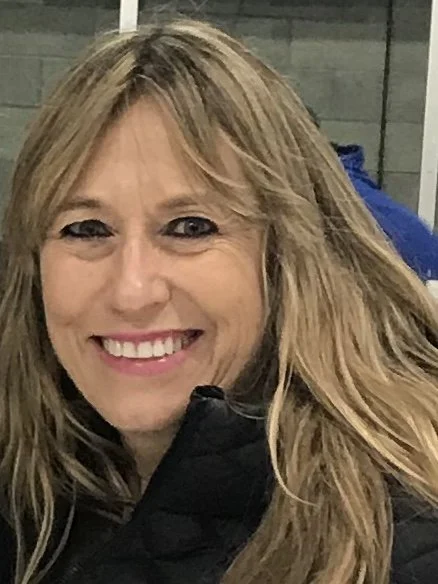
Laurie Glover
Laurie began her career by providing care to community members while attending college to become a nurse. She later transitioned into business development and has since become an active advocate and leader in the eldercare community. Laurie has served as a speaker for the Los Angeles Chapter of the Alzheimer’s Association, founded the Health and Wellness Committee of the Redondo Beach Chamber of Commerce, and currently serves on the Board of Directors for the Lomita Chamber of Commerce. She has also volunteered with TrinityCare Hospice and serves on the boards of H.E.L.P. (Helping the Elderly Live Productively) and Peninsula Seniors. Additionally, she is a member of the South Bay Dementia Education Consortium, continuing her commitment to supporting older adults and their families.
Can you describe your background and how you came to work with elderly populations?
More on how this is a growing field…
Can you describe more about what Silverado does and the kind of care that they provide?
What is something you think more people should know about Alzheimer’s and Dementia?
What are some ways that the average person can help?
Have you ever integrated music into helping people with Alzheimer’s and dementia and how have you seen that help?
Do you think music therapy should be integrated more into Alzheimer’s and Dementia care?
What is 1 or 2 main takeaways from your job or overarching lessons you’ve learned?
Lynn Knudsen
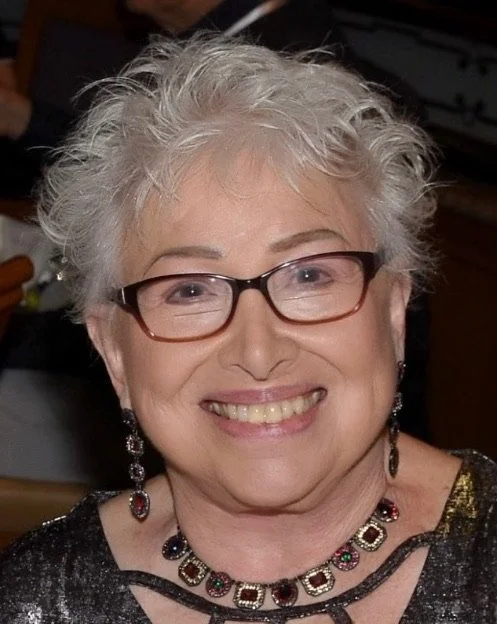
Lynn Knudsen was born in New Orleans, Louisiana. At age 10, she began tap dancing in her aunt’s garage, discovering early on that dance was a powerful outlet for self-expression. She went on to enjoy a long career in theatre and dance before becoming a teacher. Now, at 85, Lynn blends her theater background with music, movement, and storytelling, creating opportunities for older adults to explore their dreams—because it’s never too late to sing a song, tell a joke, or slip on a pair of dancing shoes for a little jig. She shares this work through a program called Innerplay, part of a Creative Aging Initiative designed to encourage seniors to have more fun.
Can you describe your background and how you came to work with elderly populations?
Have you ever seen music therapy be used? Do you think it is useful?
Have you ever seen music spark a memory for someone?
How do you think music helps seniors feel more like themselves even as cognitive abilities change?
How do you think we can improve elder care moving forward in general and with music?
Dan Doctor
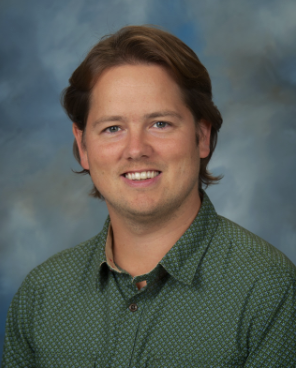
Dan Doctor was inspired by a teacher in his youth to pursue music education. Shortly after high school, he joined the Young Americans, a performing arts group, where he deepened his passion for music. He later studied music education at California State University, Long Beach. For the past 18 years, he has served as the choir and orchestra director at Palos Verdes Peninsula High School. Dan finds great joy in shaping young people during such pivotal years and witnessing, every day, the transformative power of music.
Can you describe a bit about your background and why you enjoy being a choir teacher?
What has been the most fulfilling pat of your job?
Can you share a story of a student whose connection to music went beyond the classroom over the years?
You’ve seen a lot of students come and across the years how do you think music can help shape students as they grow?
How do you think it could be helpful to harness music and use it for Alzheimer’s?
Debra Bein
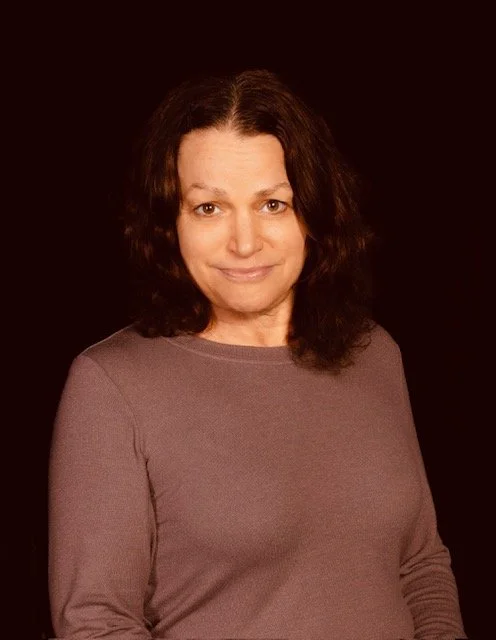
Debra has worked with older adults for more than ten years, inspired in part by her grandmother, who lived to 107 and sparked her passion for this unique population. Among the many roles she has held, her favorite has been facilitating a group for adults aged 90 and older (described in more detail below). Recently, a blind 91-year-old participant expressed gratitude for the group, sharing that it eased her loneliness on Mondays and gave her a space to socialize—an affirmation of why this work matters so deeply to Debra. She is currently pursuing further education and is on track to graduate with a Master’s in Gerontology in May 2026.
Can you describe your background and how you came to work with elderly populations?
What is the 90s group and why do you think it’s important ?
Do you have any moments where you’ve seen music help bring an emotional response or enhance the lives of people in the group?
Do you think music helps seniors act more like themselves even as cognitive abilities change?
The 90s Club
The 90s Club is a vibrant community of seniors aged 90 and above who come together to share meaningful conversation and connection. Members discuss what’s happening in their lives, the challenges they’re navigating, and light-hearted topics such as the role music has played throughout their journeys. Each meeting begins with a song, setting a warm tone, fostering a strong sense of community among all who attend.