
Alzheimer’s & Music
Statistics
Facts & Figures
What’s the difference between Alzheimer’s & dementia?
Dementia is an overall term for a particular group of symptoms. Alzheimer’s disease is one cause of dementia symptoms. Alzheimer’s accounts for around 60%-80% of dementia cases.
How can you use music to help a loved one with dementia?
Identify music that’s familiar and enjoyable to the person and if possible, let them choose
Use music to create the mood you want
Encourage movement to add to the enjoyment
Avoid sensory overload; eliminate competing noises
What age does Alzheimer’s & dementia most often occur?
The most common type of dementia is most often identified around age 65 and older. Dementia that begins before age 65 is considered early-onset dementia.
What causes Alzheimer’s?
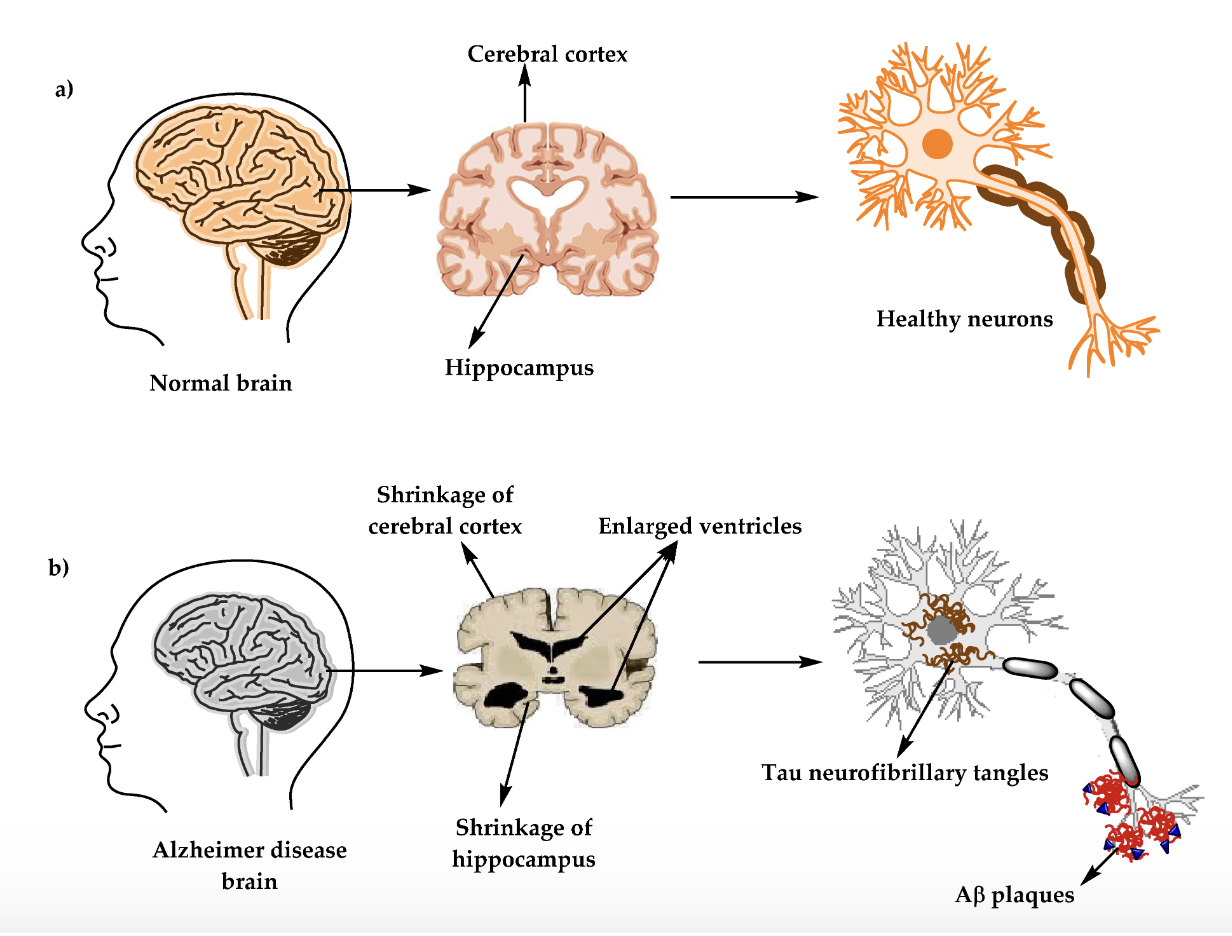
Accumulation of the protein fragment beta-amyloid into clumps (beta-amyloid plaques) outside neurons and other brain cells.
Accumulation of an abnormal form of the protein tau (tau tangles) inside neurons.
Inflammation and decreased ability of the brain to use glucose, its main fuel
Can you prevent Alzheimer’s disease?
There is no guaranteed way to prevent Alzheimer’s and dementia, however, you can significantly lower your risk by adopting a healthy lifestyle that includes a brain-healthy diet, regular physical and mental activity, social engagement, and managing other health conditions like high blood pressure.
Is Alzheimer’s disease hereditary?
While most cases are influenced by a combination of genetic, lifestyle, and environmental factors, a rare, early-onset form is directly caused by an inherited genetic mutation.
Are there treatments for Alzheimer’s?
There are multiple drugs that treat the symptoms of Alzheimer’s and dementia. There are two drugs that change the biology of Alzheimer’s and slow cognitive decline, but these are only affective when caught in the very early stages. There are multiple clinical trials currently in progress.
What is music therapy?
Music therapists work with their clients to help reduce anxiety, stress, improve mood and emotional regulation. They do this by listening to music, creating music, moving to music, discussing music and using music to facilitate communication.
Can you slow down Alzheimer’s & dementia
Yes, the progression of dementia can be slowed down through a combination of lifestyle changes and medical management. While there is no cure, staying physically active, following a healthy diet, engaging in mentally stimulating activities, managing other health conditions, and maintaining social connections can help manage symptoms and slow cognitive decline. Getting a diagnosis early is important because some treatments can stop vascular dementia from getting worse or slow it down.
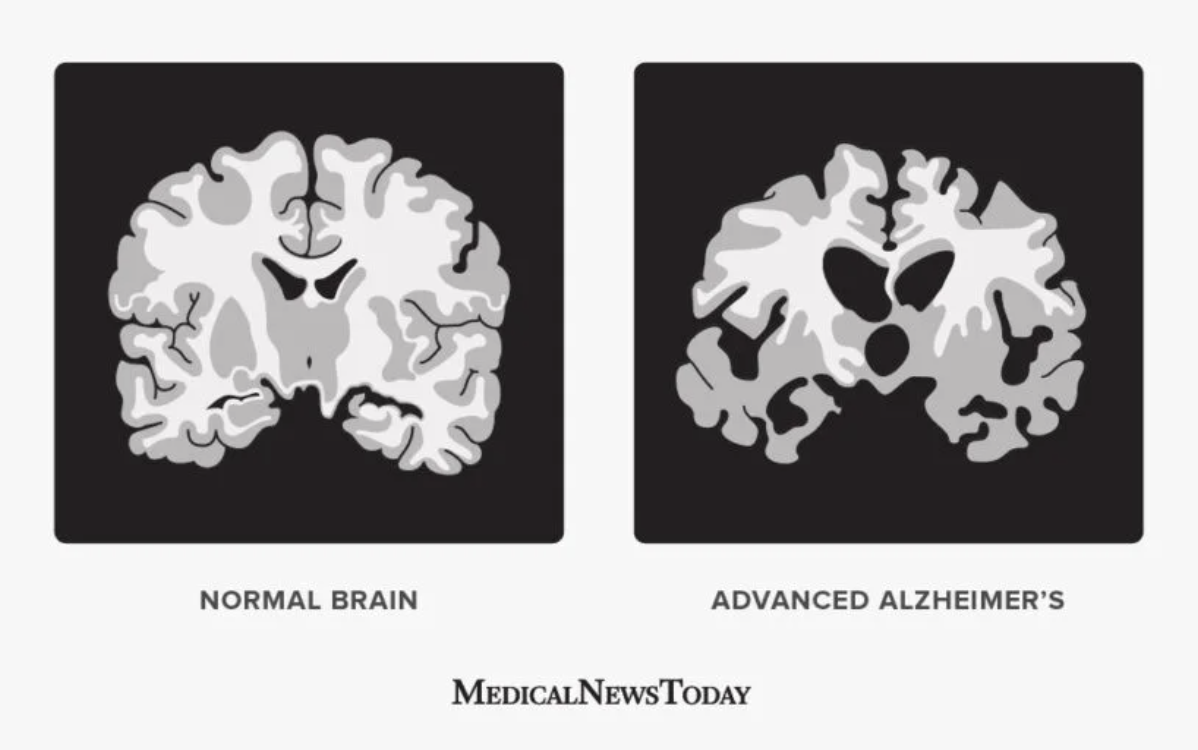
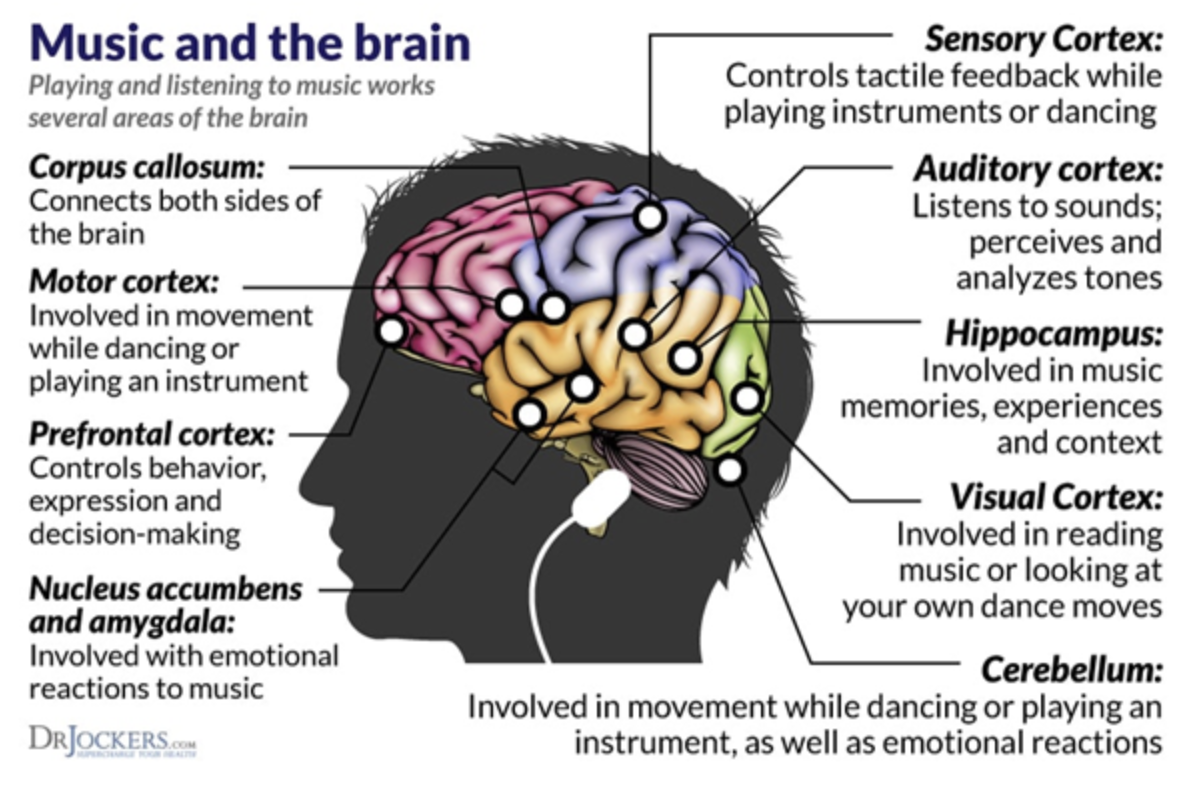
Diagrams
Sources
-
Bonakdarpour, B. (2022, July). Music as Medicine for Alzheimer’s Disease and Dementia. Northwestern Medicine. https://www.nm.org/healthbeat/healthy-tips/emotional-health/music-as-medicine-alzheimers-dementia
-
Alzheimer's Association. (2019). Art and Music. Alzheimer’s Disease and Dementia. https://www.alz.org/help-support/caregiving/daily-care/art-music
-
Alzheimer's Association. (2025). 2025 Alzheimer’s Disease Facts and Figures. https://www.alz.org/getmedia/ef8f48f9-ad36-48ea-87f9-b74034635c1e/alzheimers-facts-and-figures.pdf
-
Villines, Z. (2021, December 22). Alzheimer’s brain vs. normal brain: Differences in function. Www.medicalnewstoday.com. https://www.medicalnewstoday.com/articles/alzheimers-brain-vs-normal-brain#alzheimers-brain
-
Why Music? - Arts Psychotherapies. (2024). Arts Psychotherapies. https://services.nhslothian.scot/artspsychotherapies/connecting-with-music/why-music/
-
Causes and Risk Factors of Alzheimer’s Disease. (n.d.). Encyclopedia.pub. https://encyclopedia.pub/entry/55688